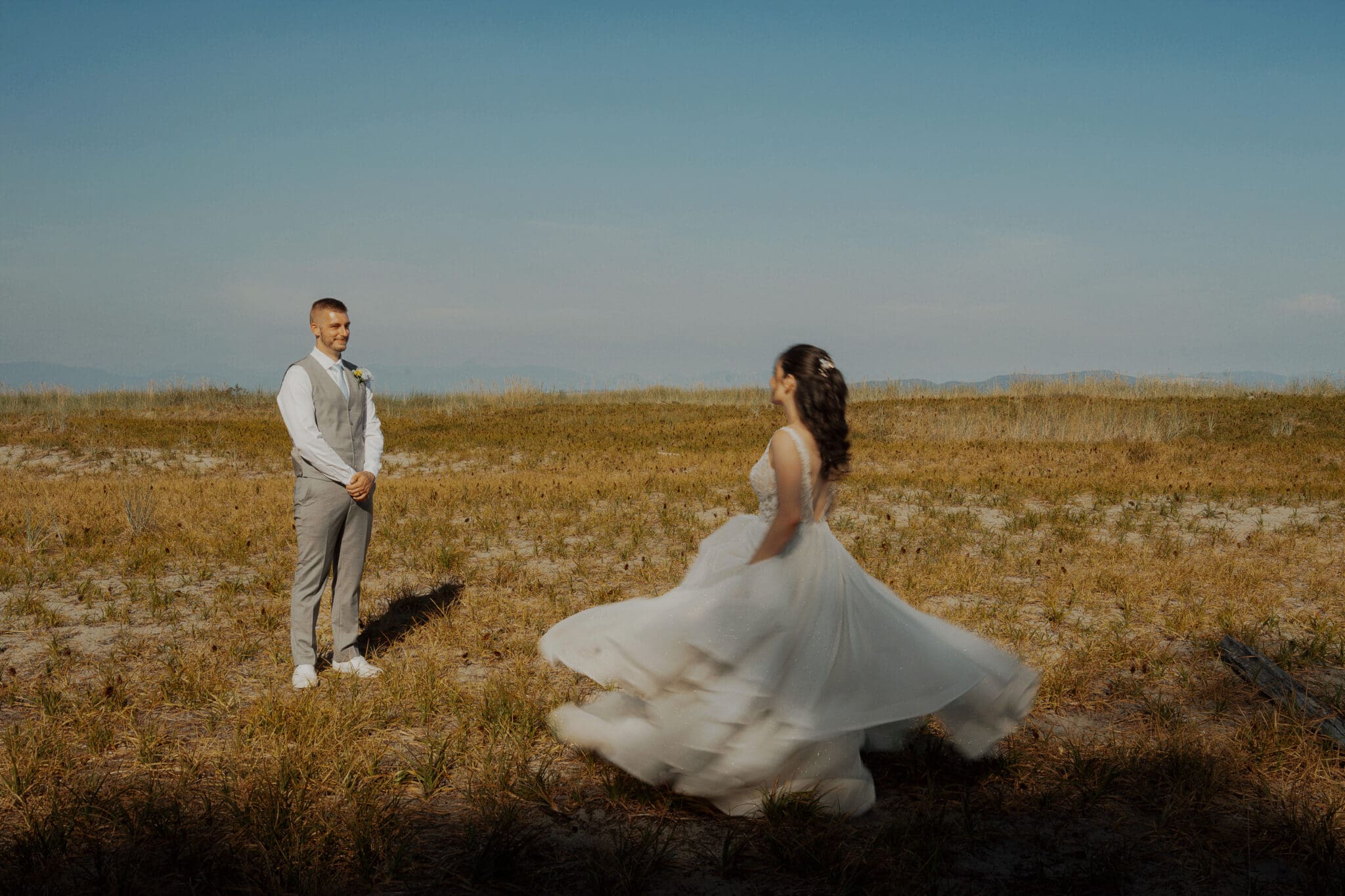
What a Full Wedding Day Looks Like From a Photographer’s Perspective
CATEGORY
POSTED
A wedding day is not a checklist of events. It is a living, unfolding story shaped by light, movement, and emotion.
From a photographer’s perspective, every part of the day plays a role in how your story is documented. The way your timeline flows directly impacts how your images feel.
This guide walks through a full wedding day photography timeline so you can understand what is happening behind the scenes and why it matters.
What Is a Full Wedding Day Photography Timeline
A full wedding day photography timeline typically includes 8 to 10 hours of coverage, allowing your photographer to document your day from beginning to end.
This usually includes:
- Getting ready
- Details and environment
- First look or pre ceremony moments
- Ceremony
- Family and group portraits
- Couple portraits
- Reception and evening events
The goal is not just coverage. It is continuity. A full day allows your gallery to feel complete rather than rushed.
If you are still exploring what coverage fits your day, you can view wedding photography collections to understand how timelines are built around your experience.
The Morning: Where the Story Begins
The morning is often overlooked, but it is one of the most emotionally rich parts of the day.
This is where anticipation builds. The energy is quieter, more intimate, and filled with small moments that often become some of the most meaningful images in your gallery.
This part of the day includes:
- Hair and makeup finishing touches
- Getting dressed
- Reading letters or private vows
- Moments with family and friends
- Detail photographs of meaningful items
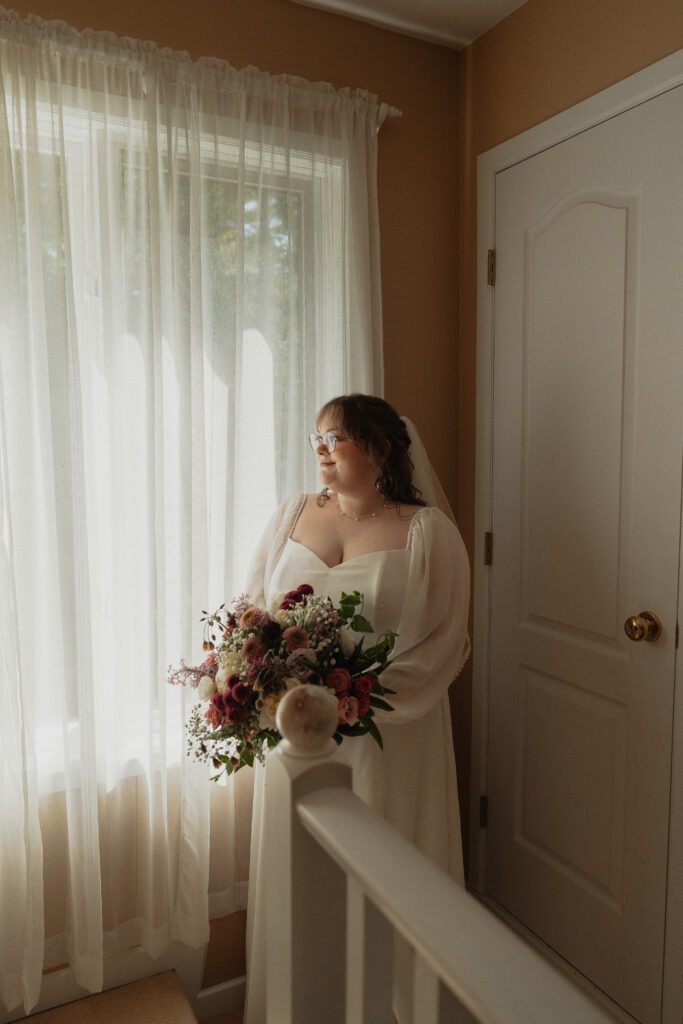
On Vancouver Island, natural light plays a major role. Spaces with strong window light feel calm and photograph beautifully, while darker spaces can limit flexibility.
A well chosen getting ready space creates a smoother, more relaxed start to your day.
First Look or Pre Ceremony Moments
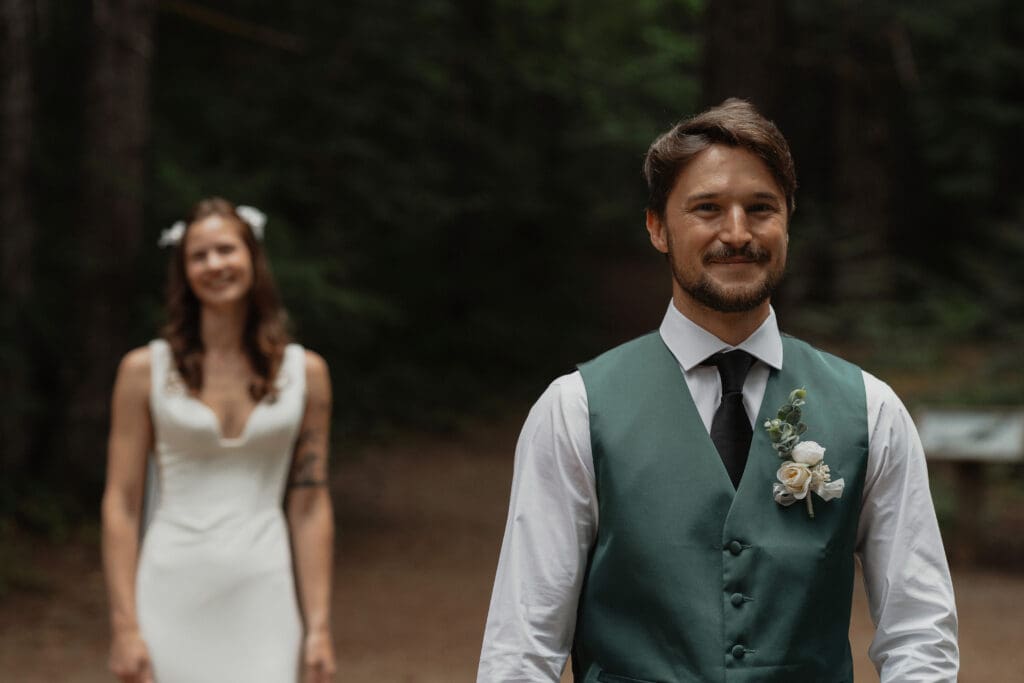
Choosing whether to do a first look changes the flow of your entire day.
A first look creates space to connect privately before the ceremony. It also allows for more flexibility in your timeline and reduces pressure later.
If you choose to wait, the anticipation builds and the experience becomes shared with your guests.
Neither option is better. They simply create different emotional rhythms.
The Ceremony: Real and Unrepeatable
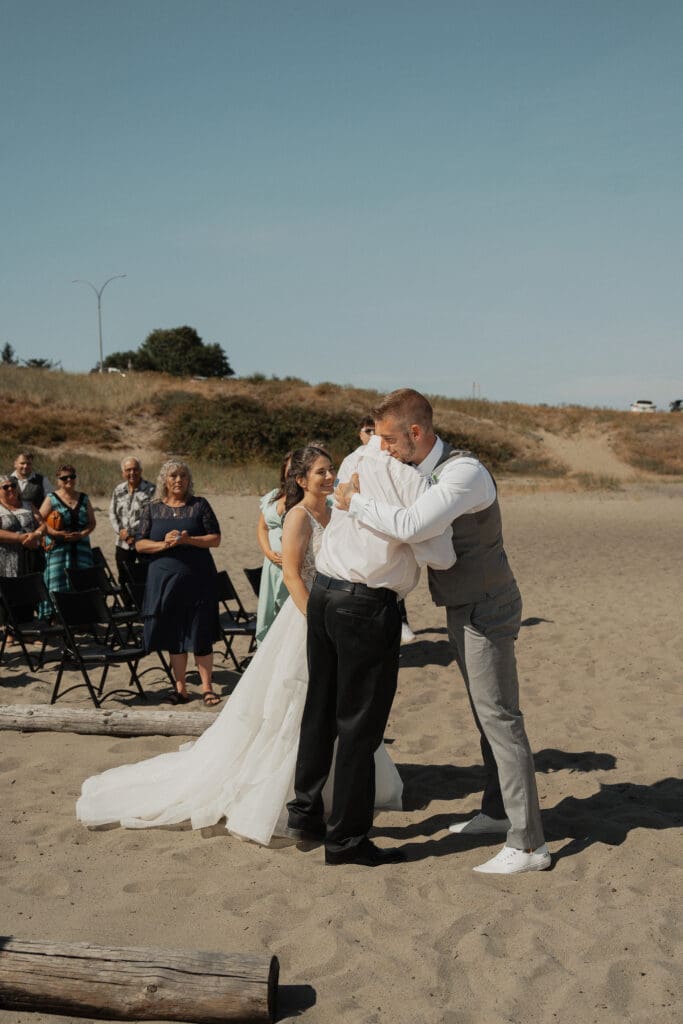
The ceremony is the one part of the day that cannot be recreated.
From a documentary perspective, this is where observation matters most. The goal is to capture what is happening without interrupting it.
Key moments include:
- Walking down the aisle
- Reactions from your partner and family
- Subtle glances and movement
- Vows and ring exchange
- The first kiss
- Walking back down the aisle together
Outdoor ceremonies on Vancouver Island often include wind, shifting light, and natural movement. These elements are not distractions. They create atmosphere and depth in your images.
Family and Group Photos: Structured but Efficient
This is the most directed part of the day and where strong planning makes the biggest difference.
Family photos should feel organized, not chaotic. With a clear plan, this portion of the timeline moves quickly and allows you to return to your day.
This section is focused on:
- Efficiency
- Clear communication
- Maintaining momentum
When done well, family photos take about 15 to 25 minutes and feel seamless.
Couple Portraits: Cinematic and Intentional
This is where your photographer blends cinematic composition with an editorial finish.
But these photos are not about pulling you away from your day for long periods.
They are about creating space for you to be together.
A guided approach allows movement and natural interaction while still producing refined images that feel intentional.
On Vancouver Island, the environment plays a major role. Coastlines, forests, and open landscapes shape the mood of your portraits through light, texture, and movement.
Golden hour is often ideal, but strong portraits can be created at any time when the approach is intentional.
Reception: Energy and Atmosphere
The reception is where the energy shifts again.
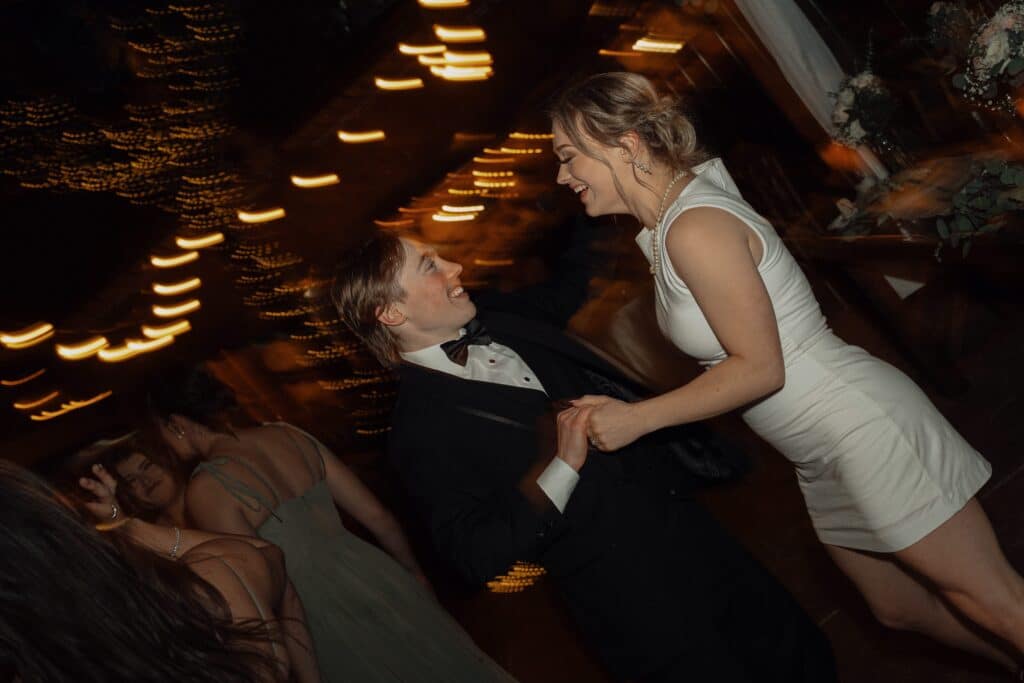
This is where documentary photography thrives, capturing unscripted moments and real interactions.
Key moments include:
- Grand entrance
- Speeches and reactions
- First dances
- Candid guest moments
- Dance floor energy
Lighting often becomes more complex during this part of the day. A strong photographer adapts to the environment while preserving the atmosphere of the space.
Why Full Day Coverage Matters
Shorter coverage can document events. Full day coverage tells a complete story.
Skipping the morning, you miss the build up.
Without portraits, you miss connection.
Opt out of the reception, you miss the celebration.
A full wedding day photography timeline allows your gallery to feel cohesive and intentional.
If you want to see how a full day comes together visually, you can explore more work from a Vancouver Island wedding photographer to understand how these moments are documented.
What Makes a Wedding Day Feel Effortless
The best wedding days are not rushed or overly structured. They are intentional.
From a photographer’s perspective, the strongest timelines include:
- Realistic pacing
- Strong natural light where it matters
- Breathing room between events
- Trust between the couple and photographer
When these elements are in place, your day flows naturally and your photos reflect that.
FAQ
How many hours do you need for full wedding day photography
Most full wedding days require 8 to 10 hours of coverage to properly document the entire story without rushing key moments.
Is a first look necessary
No. A first look is optional, but it can create more flexibility and reduce time pressure later in the day.
When is the best time for couple portraits
Golden hour provides soft light, but strong portraits can be created at any time with the right location and approach.
Do we need a strict timeline
You need structure, but not rigidity. The goal is flow, not pressure.
What happens if the timeline runs behind
An experienced photographer will adjust the timeline while maintaining a calm and organized flow.
For Couples Who Want More Than Just Photos
If you are drawn to photography that feels honest, cinematic, and intentional, your wedding day should reflect that same energy.
You want space to be present, not rushed from moment to moment.
A well built timeline allows your story to unfold naturally while still being documented with care and refinement.
If that resonates with you, you can inquire about your date and start planning a wedding day that feels as good as it looks.
4/13/2026
COMMENT LOVE